
Ethnographers have long accepted that vulnerability reveals something, but say little about how it produces knowledge. Drawing on two years of enactive ethnography in a hospice, this study reframes vulnerability as open exposure to affect and be affected — a disciplined practice rather than a risk or a confession — and introduces the figure of the vulnerable performer, along with the conditions under which such exposure is warranted.
We keep saying vulnerability reveals. We never say how.
Research in extreme contexts consistently shows that researchers’ bodies and emotions become entangled with the worlds they study. Vulnerability appears again and again as a source of insight. Yet the methods literature treats it either as a hazard to contain or as a confessional aside that does no analytic work.
Both leave the central question unanswered: if vulnerability is revelatory, through what practice does it reveal? My paper published in the Journal of Management Studies treats vulnerability as a method rather than a by-product of immersion.
How I studied this
For two years I volunteered at a hospice in Buenos Aires that cares for people dying in extreme poverty. In the first year I did household chores and sat with patients and their families. In the second I joined the hospital unit, accompanying doctors to consultations. I wrote fieldnotes after every shift and talked at length with the volunteers.
This is enactive ethnography: you learn and perform a practice rather than observe it from its edge. The analysis worked outward from moments when my capacity to be present broke down.
Exposure is not bias. Redefining vulnerability.
The first contribution is conceptual. Vulnerability is usually defined through harm, which ties it to weakness and lack of agency. I define it instead as open exposure to affect and be affected by the world and others: at once a given condition of embodied existence and a disciplined enactment a researcher can deliberately take up.
This moves vulnerability from bias to instrument. Vulnerability becomes relational and emergent — constituted where an exposed body meets a field that solicits it, and registered in unease, recoil or fatigue before it reaches reflection.
Watching is not enough — enter the practice
The second contribution is methodological. Ruth Behar’s vulnerable observer legitimised the researcher’s affective presence and dismantled the fiction of detachment, but it remains anchored in observation. Enactive ethnography asks more, generating what Loïc Wacquant calls carnal knowledge — practical understanding acquired through the body rather than about it. In extreme contexts, performing the practice means inhabiting its exposure.
I therefore propose the vulnerable performer: a researcher who enacts field practices under conditions of open exposure and treats the consequences of that exposure as methodologically significant. This is not a licence for confessional writing but a specification of how carnal knowledge is produced, through three dimensions:
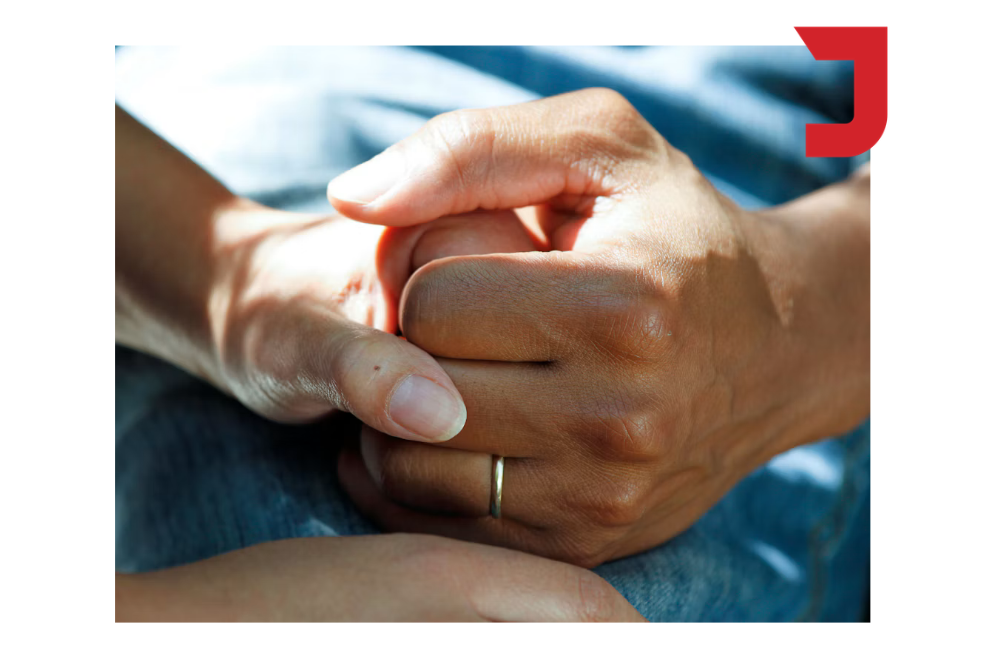
Learning through the senses. Understanding arrives through touch, proximity and silence rather than through what people say. Ruly, a patient, was crying when I came into his room. He refused to talk and scowled when I offered to stay by his bed — then took my hand and held on. Coded conventionally, that is anger, or denial. His grip taught me what those labels miss: care can comfort and intrude in the same gesture.
When the body objects. In a consulting room my blood pressure dropped before a patient was given an injection, and I had to leave. I felt useless and was ashamed to tell the doctor. That shame was not a private failure: it marked where the expectation of being steady and useful meets a body that cannot deliver it — the line between caring and being unable to.
Exposure is organised, not only personal. The kitchen was a refuge. A volunteer who had lost two brothers-in-law to cancer stayed involved from there without entering the rooms; on hard days, so did I. Through its rooms and rotas, the hospice was quietly deciding who bore what.
The body reaches the ethics before the words do
The third contribution concerns what vulnerable performance makes knowable. In the hospice, ethical complexity was not first articulated and then felt; it was encountered bodily and only afterwards put into words — in hesitation, retreat to the kitchen, shame and a hand held too tightly.
Where existing work treats professionals’ silence or restraint as emotional defences, for the ethnographer those same movements operate epistemically, revealing how organisations make ambiguity liveable. Vulnerability allows researchers to remain with tensions — compassion that requires distance, presence that becomes intrusion, withdrawal that is the responsible act — without resolving them prematurely.
Not every field deserves your exposure
The final contribution is to bound the argument. Vulnerable performance is not a prescription for more immersive or painful fieldwork, nor a claim that enactive ethnography is superior. The paper sets out when this approach is worth it: when what you’re studying happens in and through the body, carries strong feeling, or is done by habit rather than explained; when meaning is made in the moment, between people who are physically present; and when you can do the work yourself, competently and with permission.
It also takes the costs seriously. Prolonged exposure can produce exhaustion, moral distress or secondary trauma, and the discipline sustains a prestige economy of extremity in which intensity is mistaken for rigour — a cost borne disproportionately by early-career researchers. Exposure is relational, too: entering practices that already expose others to pain and loss raises the question of what the researcher does to the field, not only what the field does to her. The capacity to withdraw is part of the discipline.
Who this matters to, and why
Organisations doing emotionally demanding work — hospices, hospitals, emergency services, social care, humanitarian operations. The gap between stated values and lived reality surfaces first in bodies: in pacing, proximity, hesitation, withdrawal. The buffer zones staff build for themselves — the kitchen, the paperwork, the extra errand — show how strain is distributed. They are not disengagement and managing them away can remove what keeps the work possible.
Universities, doctoral programmes and supervisors — if exposure produces knowledge, it cannot be left as a private matter between a student and their field. Preparation, supervision attentive to emotional as well as analytic strain, peer debriefing and a legitimate way out are methodological infrastructure, not welfare.
Journals, reviewers and ethics committees — ethics review asks what a study risks for participants. It rarely asks what it costs the researcher, or how emotional labour weighs in judgements of rigour. Both belong in the assessment. Ethnographers and qualitative researchers — what your body does in the field is evidence. Treating it so takes method, not candour.
