

Heavy Time: Sensemaking and the Temporal Experience
Karl E. Weick (1936–2026) died before this essay was completed. It is published with the… Read More »Heavy Time: Sensemaking and the Temporal Experience
Karl E. Weick (1936–2026) died before this essay was completed. It is published with the… Read More »Heavy Time: Sensemaking and the Temporal Experience

In May 2026, Karl Weick passed away. As one of the most influential and prolific… Read More »Timeless: Karl Weick’s Enduring Influence on Management Studies

Ethnographers have long accepted that vulnerability reveals something, but say little about how it produces… Read More »What My Body Knew Before I Did: Vulnerability as a Method for Embodied Knowledge

This Thematic Collection advances a multilevel, person-centred perspective on how macro-, meso-, and micro-level organizational… Read More »Reframing Top-Down and Bottom-Up Dynamics in Sustainability Research: A Multilevel Framework for OB/HRM Scholars

In this study, the role of brokers is illuminated through an in-depth analysis of the… Read More »How Brokers Enable Collective Identity Formation in Fragmented Industry Groups: The Case of Franciacorta Wineries
What does it mean to be resourceful? This recent early view paper revisits the original… Read More »Reframing Bricolage as a Way of Inhabiting the World: Beyond Scarcity and Innovation with Lévi-Strauss

Session date: 10 December 2026 Location: OnlineSubmission deadline: 1 June 2027 JMS will be hosting an information session for… Read More »[Online] JMS Special Issue Information Session – Corporate Transactions in the Age of AI: Digital Infrastructures, Strategic Processes, and Market Dynamics

Session date:13 November 2026Location: Online The Journal of Management Studies is pleased to invite you… Read More »[Online] JMS Dialogue Webinar – Abductive Reasoning in Management Studies
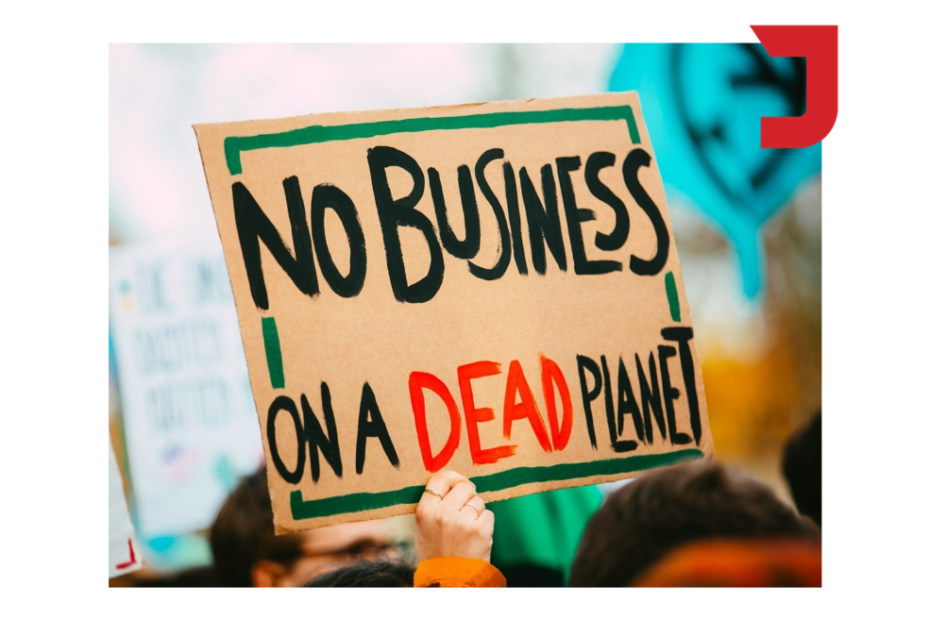
Summary Governments have increasingly regulated CSR, mainly by requiring transparency rather than defining corporate outcomes… Read More »When Sustainability Reporting Becomes Mandatory: Greater Transparency, Greater Scrutiny
What makes multiparty alliances fundamentally different from dyadic alliances? Drawing on a systematic review of… Read More »The Relational Dynamics of Multiparty Alliances: An Interdependence-Based View
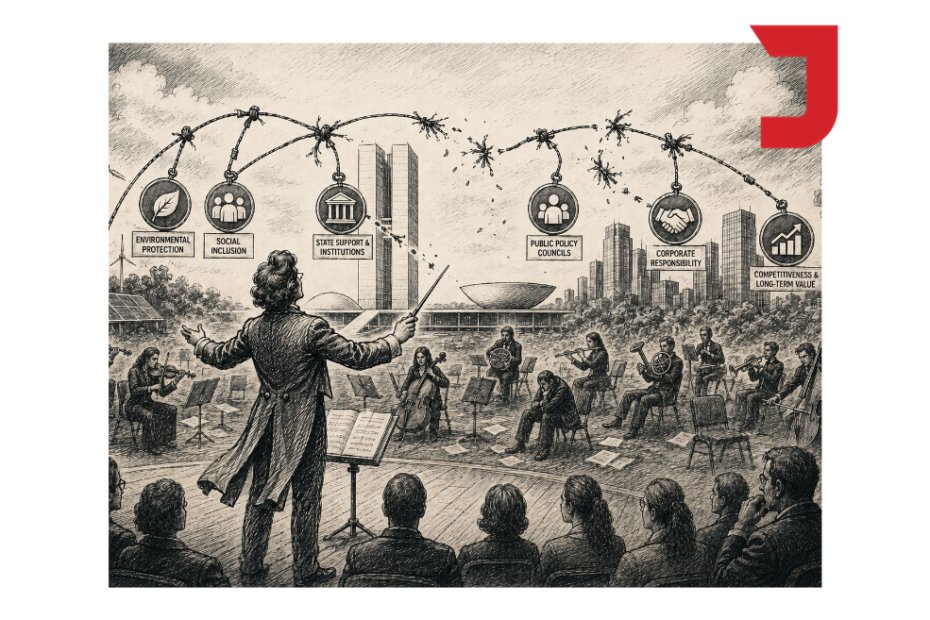
When governments roll back corporate sustainability responsibilities, they often do so in the name of… Read More »When Governments Roll Back Sustainability and Corporate Freedom Does Not Increase

Summary: Many social enterprises achieve positive social change in local, contained contexts but very few… Read More »How one social enterprise stirred up the entire chocolate industry

Can genetics advance our understanding of behavior and decision-making in organizations? In this Point-Counterpoint, the… Read More »Genetics in Management Studies
In this latest paper, authors Ryan Nolan, Frank Siedlok, and Paul Hibbert draw on practice… Read More »Reimagining Interdisciplinarity: Sensitization, Reflexivity, and Mobilization Across Landscapes of Practice
The value of sensible foolishness remains underexplored in strategic scholarship. Sensible foolishness offers a valuable… Read More »Between Play and Reason: Integrating Sensible Foolishness Into Strategy-Making Workshops

In this latest paper, authors develop a process model that shows how organizations with an… Read More »The Narrative Construction of Internal Organizational Legitimacy

For a long time, scholars have emphasized that firms’ reputation is central to the formation… Read More »Who Are You Hanging Out With? The Conditional Importance of Investment Managers’ Personal Reputation in the Formation of Venture Capital Syndication Ties

Short summary Family firms often treat family and non-family executives differently. Such “bifurcation bias” is… Read More »Before You Eliminate Family Favoritism, Consider the Context

Summary Years of investment in AI fairness, audits, debiasing toolkits, ethics boards, have not stopped… Read More »When Algorithms Decide Who Counts: The New Status Hierarchies of the AI Age

In recent years, some jurisdictions have seen a backlash against corporate social responsibility (CSR), implying… Read More »State De-Orchestration of Corporate Social Responsibility: The Backlash against CSR in Brazil under the Bolsonaro Government